

Posted by Liam Carmichael
on August 26, 2026


Quick answer
Let mud and wet dirt dry completely before you clean it off. Brush the mat with a stiff brush, and shake it regularly to release loose debris. Lift stubborn marks with dry cleaning foam or a little mild detergent. Do not soak the mat, vacuum it on a high setting, or use solvents, as these can damage the fibres and backing. Clean your mat properly every few weeks, with a quick shake in between.
Why coir doormat care matters
Coir doormats take the brunt of everything your household brings in from outside, including mud, grit, rain and pet paws. That is exactly what they are designed for, but it also means dirt builds up quickly. A little regular care keeps the fibres working properly, stops stains from setting in, and helps your mat last for years rather than months.

Know your mat first
How you clean your mat depends slightly on the type you have.
Loose lay mats sit freely on the floor or step. These are easy to lift, shake and turn as needed.
Recessed mats sit inside a mat well built into the floor. These are harder to remove fully, so you will rely more on brushing and shaking what you can loosen in place.
Indoor and outdoor mats also need slightly different care. Outdoor mats face more standing water, so avoid letting them stay soaked. Indoor mats tend to collect dry, ingrained dust instead.
Most coir mats, including our Home Sweet Home Coir Door Mat, use a PVC or rubber backing. It is worth knowing this before you clean, since solvents can damage this layer.
What you need
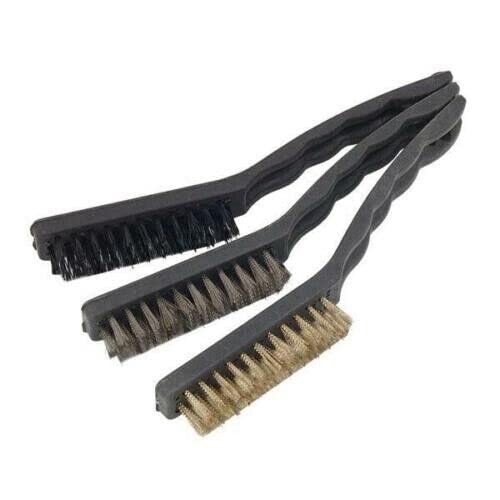
- A stiff bristled brush, ideally one made for coir mats
- Dry cleaning foam or a mild cleaning powder
- A little undiluted washing up liquid for oil stains
- An old toothbrush for working in detergent
- Kitchen paper or a cloth for blotting
- A freeze spray for chewing gum
Avoid vacuum cleaners on anything but the lowest setting, solvents, and soaking the mat in water. Coir is a natural fibre and breaks down if it stays wet.
Everyday cleaning
- Shake your mat outdoors to remove loose dirt. Lift recessed mats out first if you can.
- Brush away anything left behind with a stiff brush.
- Only vacuum on the lowest setting with a soft brush attachment. Normal suction can pull the fibres loose and leave bald patches.
This routine is usually enough for a mat that does not see heavy use.
Deep cleaning
- Shake and brush the mat first so you can see how much is loose dirt and how much is a real stain.
- Never saturate the mat. A light dampen is fine, but do not soak it.
- Work dry foam or cleaning powder into stubborn dirt, then brush it away once dry.
- Use a freeze spray on chewing gum. This hardens it so it lifts away cleanly.
- For oil stains, work a little undiluted washing up liquid into the pile with an old toothbrush, then blot with kitchen paper. Repeat a few times rather than scrubbing hard in one go.

Removing mould and stubborn stains
Damp conditions can lead to mould, especially on mats used outdoors or in an unventilated porch. For light mould, a stiff brush and a dry day are often enough. For anything more established, spot treat with a little mild antibacterial detergent and blot dry. Never scrub while wet, and never soak the mat to try to flush it out.
Pet accidents are the exception. Coir absorbs odour easily and cannot be washed like fabric, so a mat that has been used as a toilet usually needs replacing rather than cleaning.
DIY or replace it?
Most coir doormat care is a simple job you can do yourself. Shaking, brushing and the odd spot treatment will keep a mat going for years. It is time to replace your mat rather than clean it when:
- The backing has cracked, curled or started to separate from the coir
- Odour has set into the fibres and will not lift with spot cleaning
- The pile has thinned or come loose from heavy vacuuming or wear
If you need a new mat, our doormat collection includes styles like the Natural Coir Brush Welcome Doormat and the Cats Non Slip Natural Coir Hallway Indoor Doormat, both made with a slip resistant backing that holds up well over time.
With autumn bringing wet leaves and muddier days, now is a good time to check whether your mat is still up to the job. Our Autumn Doormat Collection is designed for the season, with durable coir styles that make light work of leaves, rain and everything else autumn brings to your doorstep.
FAQs
How often should I clean a coir doormat? Shake it out weekly, and give it a proper brush or deep clean every few weeks depending on how much use it gets.
Can I machine wash a coir doormat? No. Coir is not machine washable. Soaking it can break down the natural fibres.
Why is my coir mat losing fibres? This is usually caused by vacuuming on too high a setting. Stick to a soft brush attachment on low suction, or brush the mat instead.
Is it safe to use a coir mat outdoors in the rain? Yes. Coir handles moisture well as part of everyday use. Just avoid letting it sit fully soaked for long periods, and let it dry naturally rather than near direct heat.
What is the best way to remove pet odour from a coir mat? Blot the area with a little warm water and mild antibacterial detergent. If the odour does not lift, the mat will likely need replacing.
Looking after your doormat for longer
Choosing a well made mat from the start makes ongoing care much easier. Explore our full doormat range for coir styles built for daily use, or read our guide on how to maintain your door mats for long lasting freshness and style for more seasonal care tips.